AIChE CCPSC - CCPS Process Safety Professional Certification
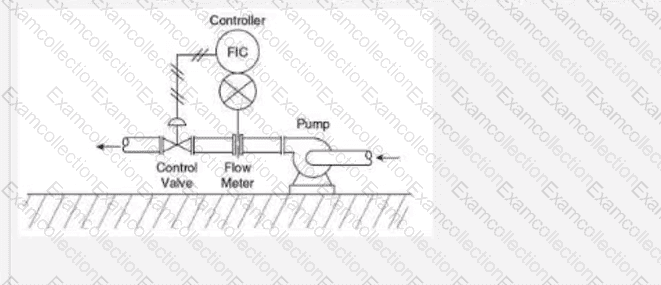
A process calls for the addition of a reactant over a certain period of time. The flow controller on the reactant’s feed line was out of calibration and reduced the flow rate of the reactant. The operator noticed the addition rate was too low and, contrary to the operating procedures, he opened a bypass valve around the flow control valve to increase the flow rate. As a result, the operator added the remaining reactant too quickly, and a runaway reaction occurred. Weaknesses in which of the following Risk Based Process Safety elements could have contributed to the cause of this incident? (Select all that apply)
What minimum size is normally used for laboratory test apparatus to determine dust explosion severity?
Which of the following events require a process safety incident investigation? (Select all that apply)
Process Safety Competency is not involved with succession planning. True or False?
After an incident with fatal consequences, you are requested by top management to form an investigation team. Who of the following would be the most suitable candidate to lead the company investigation?
When should worker refresher training be done? (select all that apply)
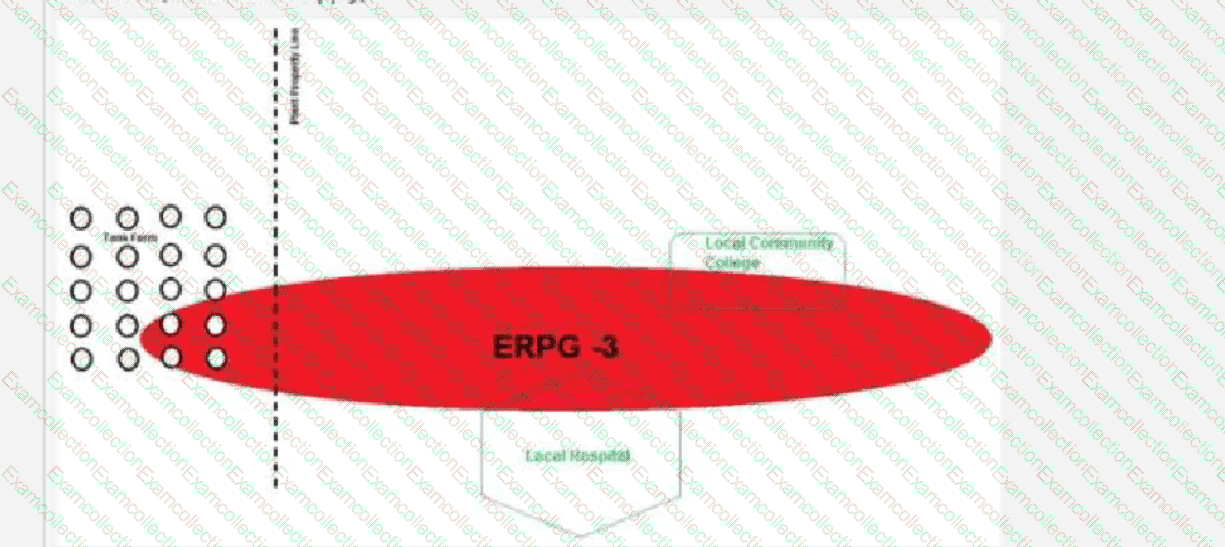
Consider the information shown on the diagram. Which Risk Based Process Safety elements are most relevant to this situation? (select all that apply)
What are the main objectives for conducting a Process Safety Management audit? (Select all that apply)
A worker appears to be improvising instead of following procedures. A review indicates that the procedures provide the correct instructions. The worker says “I don’t understand the procedure, can you explain?†You explain the procedure, and then this worker performs consistently well. Then you give the worker a new procedure to follow and this worker begins to improvise on the new procedure. After a verbal explanation the performance improves. What is the most likely explanation for this situation?
Which of the following statements are correct regarding the flow control loop in the illustration? (Select all that apply)