


ASCP ASCP-MLT - MEDICAL LABORATORY TECHNICIAN - MLT(ASCP)
On the red cell membrane, there is a bicarbonate / chloride exchanger. This exchanger allows for bicarbonate to leave the red cells while chloride is allowed inside.
In blood, bicarbonate leaves the red blood cell and enters the plasma through an exchange mechanism with:
Hepatitis B surface antigen, or HBs, is a protein that is present on the surface of the virus. The protein will be present via laboratory testing in the blood with acute and chronic HBV infections
Immunology
What sero-marker is the first marker to become positive in Hepatitis B and is associated with the infective stage?
Joint pain is a common early symptom of HH. Cirrhosis of the liver, cardiomyopathy, and diabetes are late symptoms of HH.
What is a common early symptom of hereditary hemochromatosis (HH)?
The characteristic that distinguishes vancomycin-resistant Enterococcus faecium and Enterococcus faecalis from other Enterococcus species is their lack of motility.
Enterococci are all catalase-negative. Growth on bile esculin agar and in 6.5% salt broth are two characteristics that have commonly been used to identify Enterococcus to the genus level. A positive esculin in combination with a positive PYR reaction is another approach to presumptive identification.
Which one of these characteristics distinguishes vancomycin-resistant Enterococcus faecium and Enterococcus faecalis from other Enterococcus species?
HCG levels rise rapidly during the first trimester, then the levels start to decline around week 16. The hCG levels slowly decrease and can level off during the remainder of the pregnancy.
The following BEST describes serum hCG levels during pregnancy:
Provide the equivalent measurement for 1 decimeter.
1 SD = 68.3%, 2 SD = 95.5%, 3 SD = 99.7
As defined by a Gaussian distribution curve, what percentage of values would be expected to fall within two standard deviations of the mean:
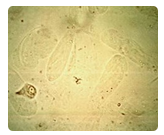
Hemoglobin electrophoresis uses an electric field to separate hemoglobin molecules based on differences in net electrical charge. The rate of electrophoretic migration is also dependent on the ionic radius of the molecule, the viscosity of the solution through which it is migrating, the electrical field strength, temperature, and the type of supporting medium used.
Electrophoretic separation of hemoglobin fundamentally relies on:
The primary mechanism responsible for glomerular filtration is:
Escherichia coli and Klebsiella pneumoniae are two good quality control choices for the indole test. E. coli is indole positive, while K. pneumoniae is indole negative. A positive reaction is noted when there is a red layer at the top of the tube after the addition of Kovács reagent, while the negative result is a lack of color change in the top of the tube after the addition of Kovács reagent.
Which one of the following combinations of organisms would be appropriate positive and negative controls to verify the specific test functions listed?
This is the lens power of the scanning objective lens.
Match each of the descriptions with the appropriate magnification:
1. Color, Rouleau, Overall Slide Quality, Cell Distribution
2. Platelet estimates RBC-platelet-WBC morphology WBC differential RBC inclusions
3. Select area to examine, WBC estimate
Unexplained bleeding is associated with immediate hemolytic transfusion reactions, but is not usually associated with delayed hemolytic transfusion reactions. The bleeding results from disseminated intravascular coagulation (DIC) due to ABO antibodies causing intraventricular hemorrhage (IVH).
Which of the following signs and symptoms may be associated with immediate transfusion reaction, but is NOT usually associated with delayed hemolytic transfusion reaction?
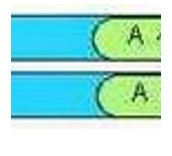
This drawing depicts beta thalassemia minor B+/B. In Beta thalassemia minor B+/B, one beta gene locus is partially deleted or inactive.
Hematology
This drawing depicts which beta chain genotype ?
What component is indicated for patients who receive directed donations from immediate family members to prevent transfusion-associated graft versus host disease (TA-GVHD)?