


CompTIA CS0-003 - CompTIA CyberSecurity Analyst CySA+ Certification Exam
Which of the following security operations tasks are ideal for automation?
A SIEM alert is triggered based on execution of a suspicious one-liner on two workstations in the organization ' s environment. An analyst views the details of these events below:

Which of the following statements best describes the intent of the attacker, based on this one-liner?
A company has the following security requirements:
. No public IPs
· All data secured at rest
. No insecure ports/protocols
After a cloud scan is completed, a security analyst receives reports that several misconfigurations are putting the company at risk. Given the following cloud scanner output:
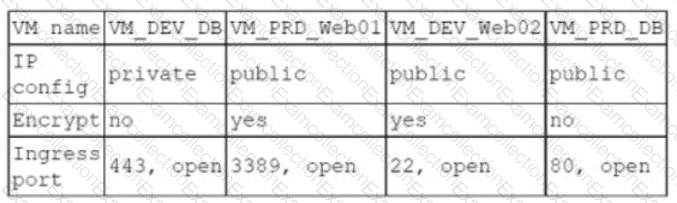
Which of the following should the analyst recommend be updated first to meet the security requirements and reduce risks?
A cybersecurity analyst is tasked with scanning a web application to understand where the scan will go and whether there are URIs that should be denied access prior to more in-depth scanning. Which of following best fits the type of scanning activity requested?
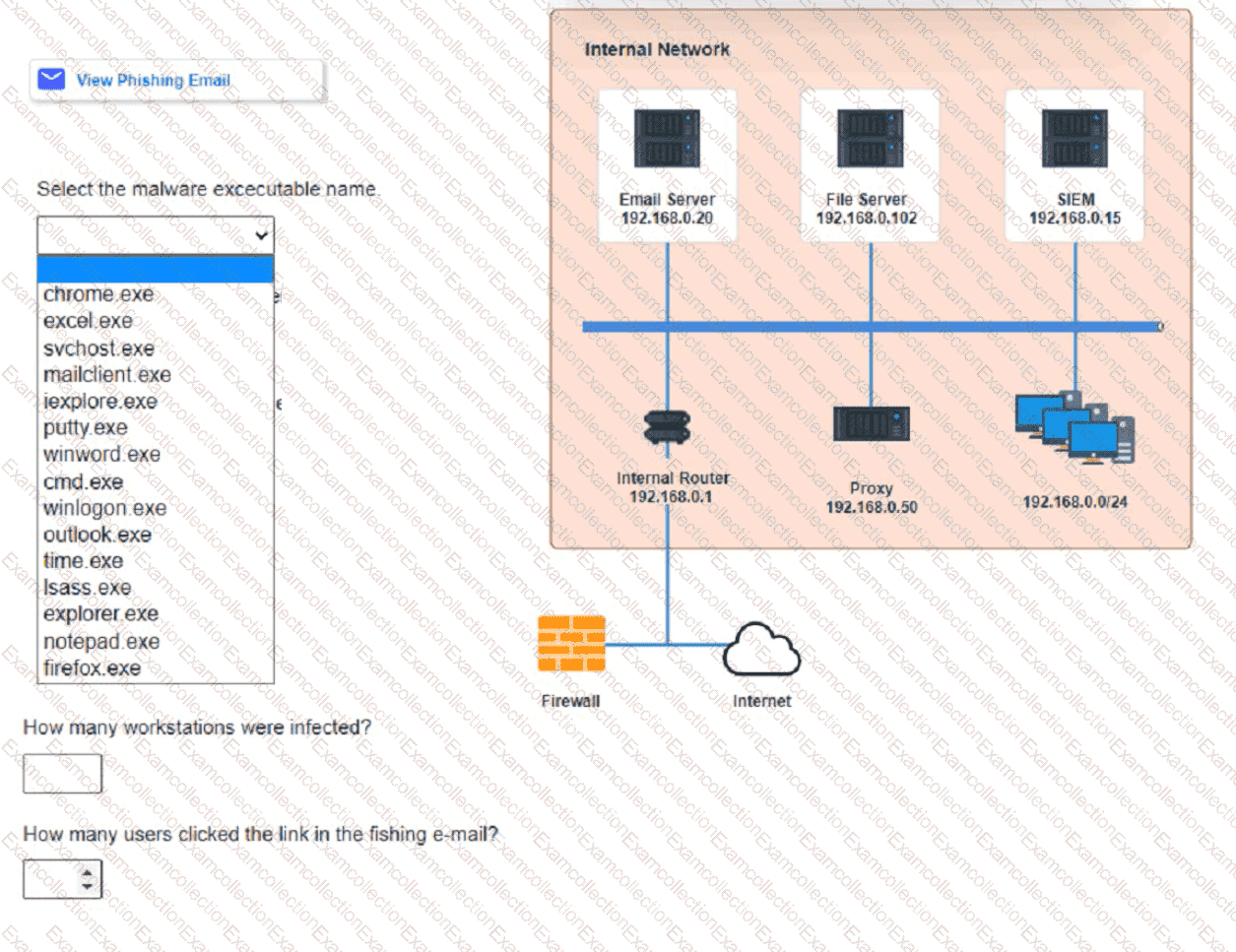
Approximately 100 employees at your company have received a Phishing email. AS a security analyst. you have been tasked with handling this Situation.
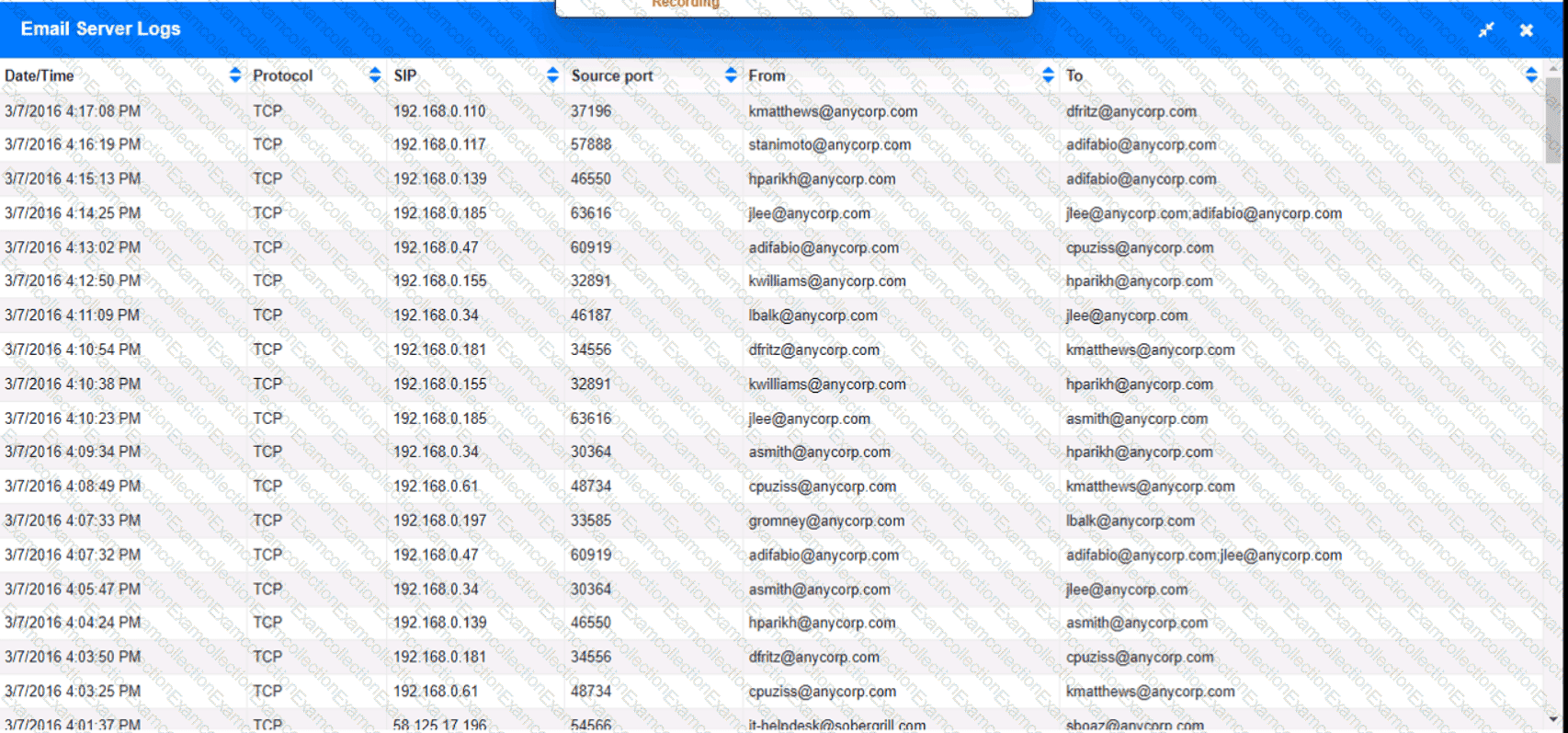
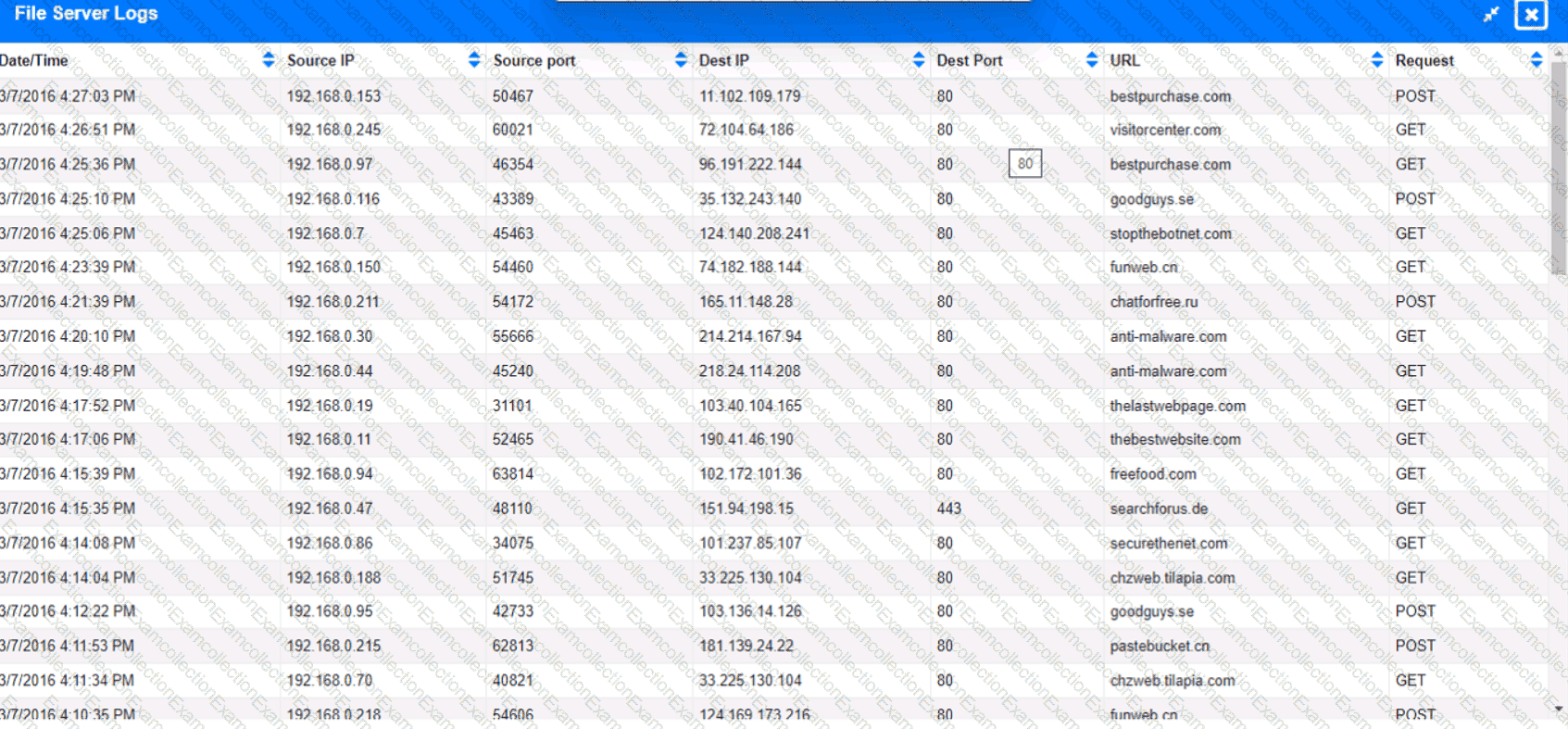
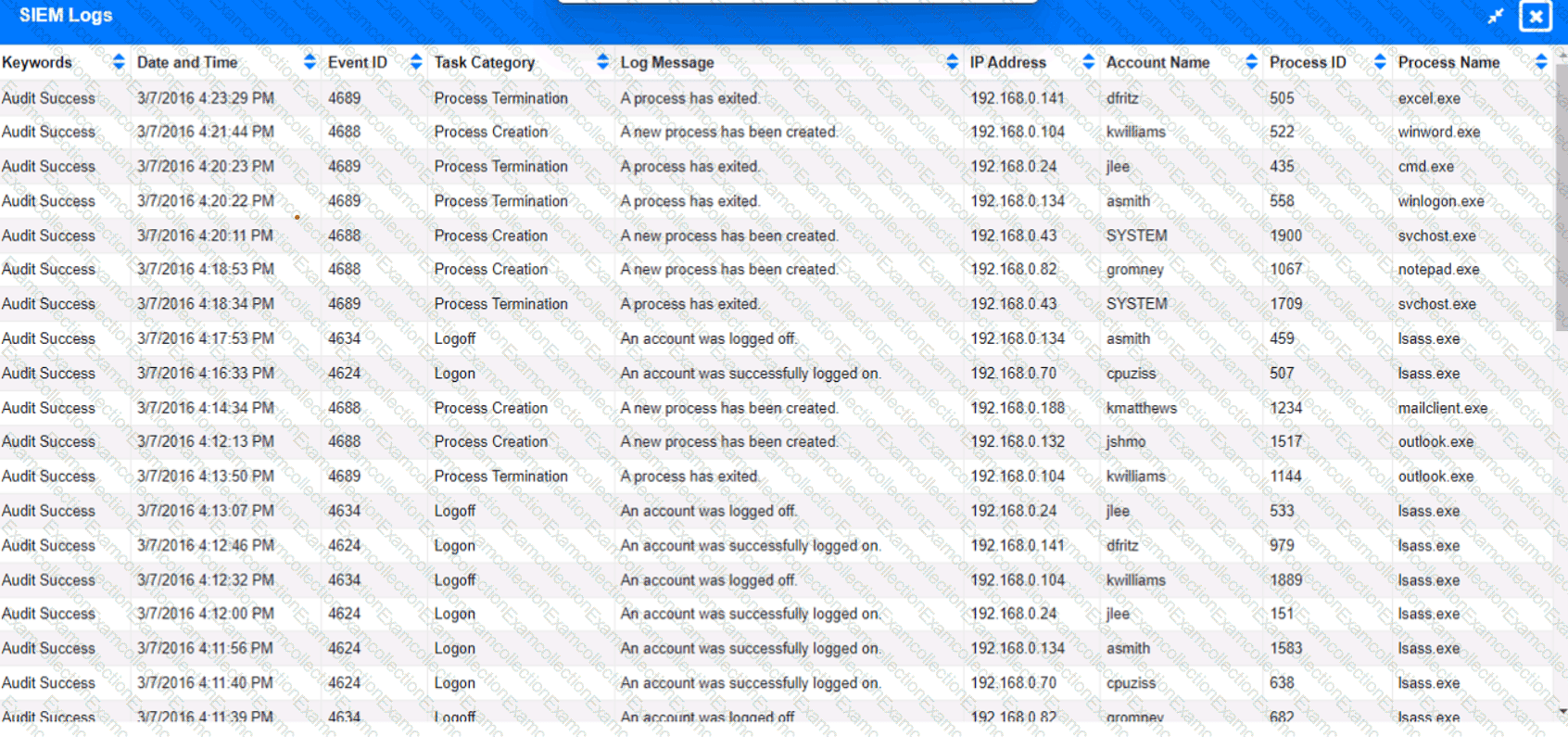
Review the information provided and determine the following:
1. HOW many employees Clicked on the link in the Phishing email?
2. on how many workstations was the malware installed?
3. what is the executable file name of the malware?
During a scan of a web server in the perimeter network, a vulnerability was identified that could be exploited over port 3389. The web server is protected by a WAF. Which of the following best represents the change to overall risk associated with this vulnerability?
Which of the following best explains the importance of communicating with staff regarding the official public communication plan related to incidents impacting the organization?
An analyst is evaluating the following vulnerability report:
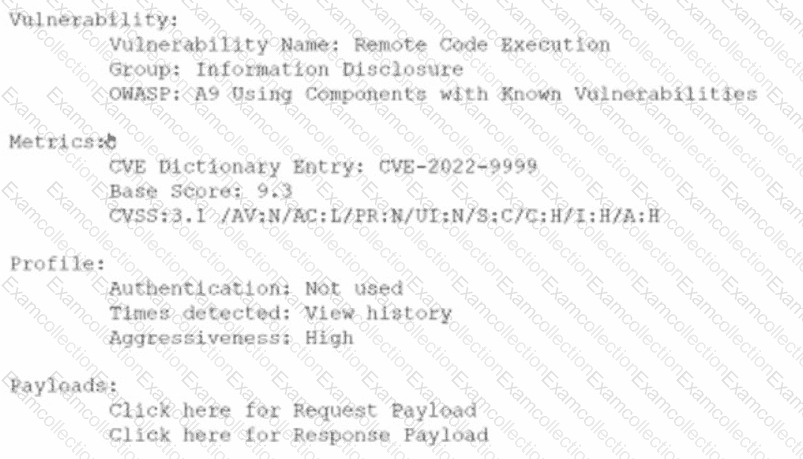
Which of the following vulnerability report sections provides information about the level of impact on data confidentiality if a successful exploitation occurs?
An analyst is reviewing a vulnerability report and must make recommendations to the executive team. The analyst finds that most systems can be upgraded with a reboot resulting in a single downtime window. However, two of the critical systems cannot be upgraded due to a vendor appliance that the company does not have access to. Which of the following inhibitors to remediation do these systems and associated vulnerabilities best represent?
The security analyst received the monthly vulnerability report. The following findings were included in the report
• Five of the systems only required a reboot to finalize the patch application.
• Two of the servers are running outdated operating systems and cannot be patched
The analyst determines that the only way to ensure these servers cannot be compromised is to isolate them. Which of the following approaches will best minimize the risk of the outdated servers being compromised?
