


Fortinet NSE7_SSE_AR-26 - Fortinet NSE 7 - FortiSASE 26 Architect
In a deployment of FortiSASE, a network architect is designing branch connectivity using the branch on-ramp feature to simplify secure access to cloud and Software-as-a-Service (SaaS) resources without requiring a full, traditional WAN infrastructure at each site.
What is the primary purpose of the FortiSASE branch on-ramp feature?
Refer to the exhibits.
You collected the output shown in the exhibits and want to know which interface HTTP traffic will flow through from the user device 10.0.1.101 to the corporate web server 10.0.0.126.
All SD-WAN links are stable.
Which interface will use FortiGate to steer the traffic?
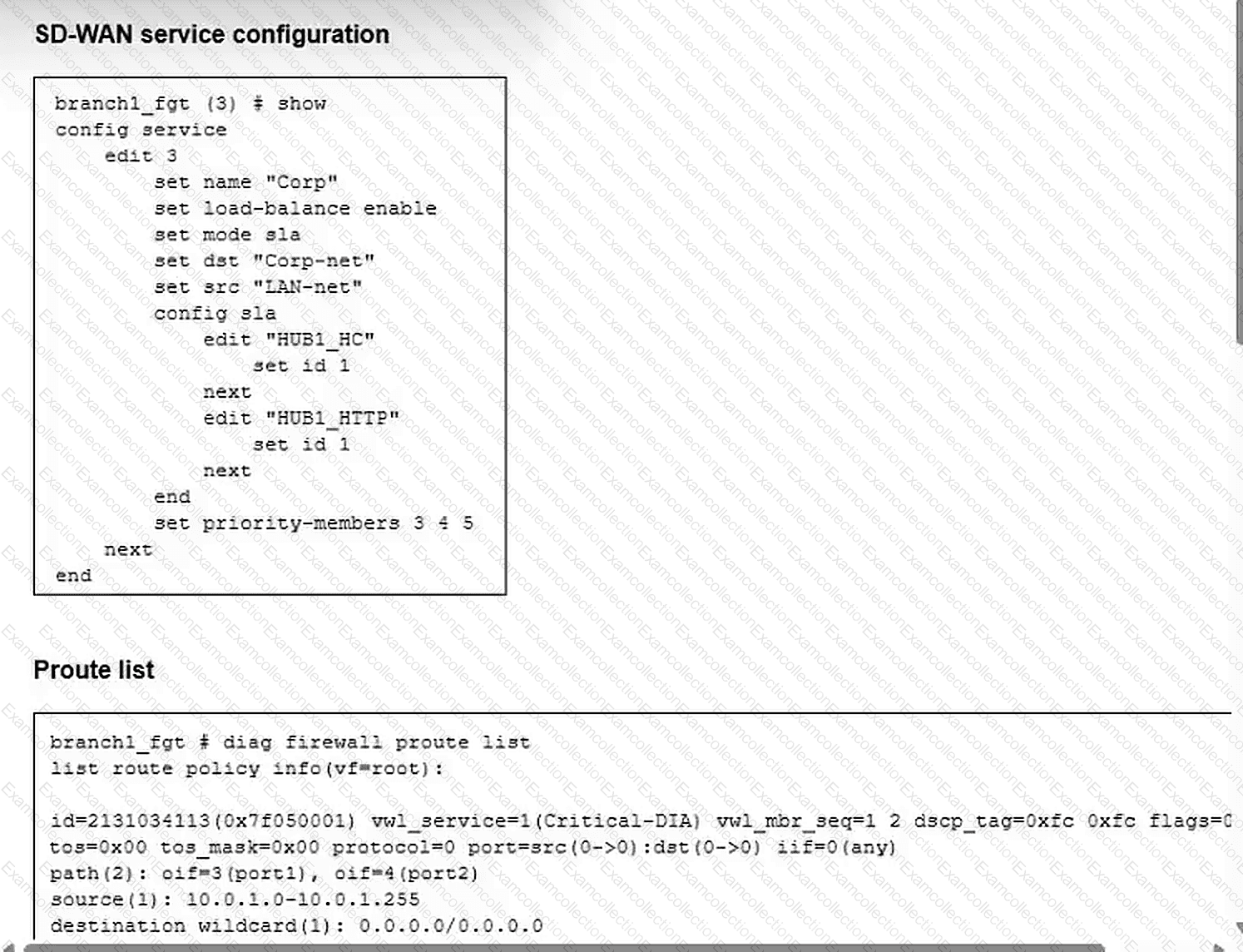
Exhibit 1 — SD-WAN service configuration and route list
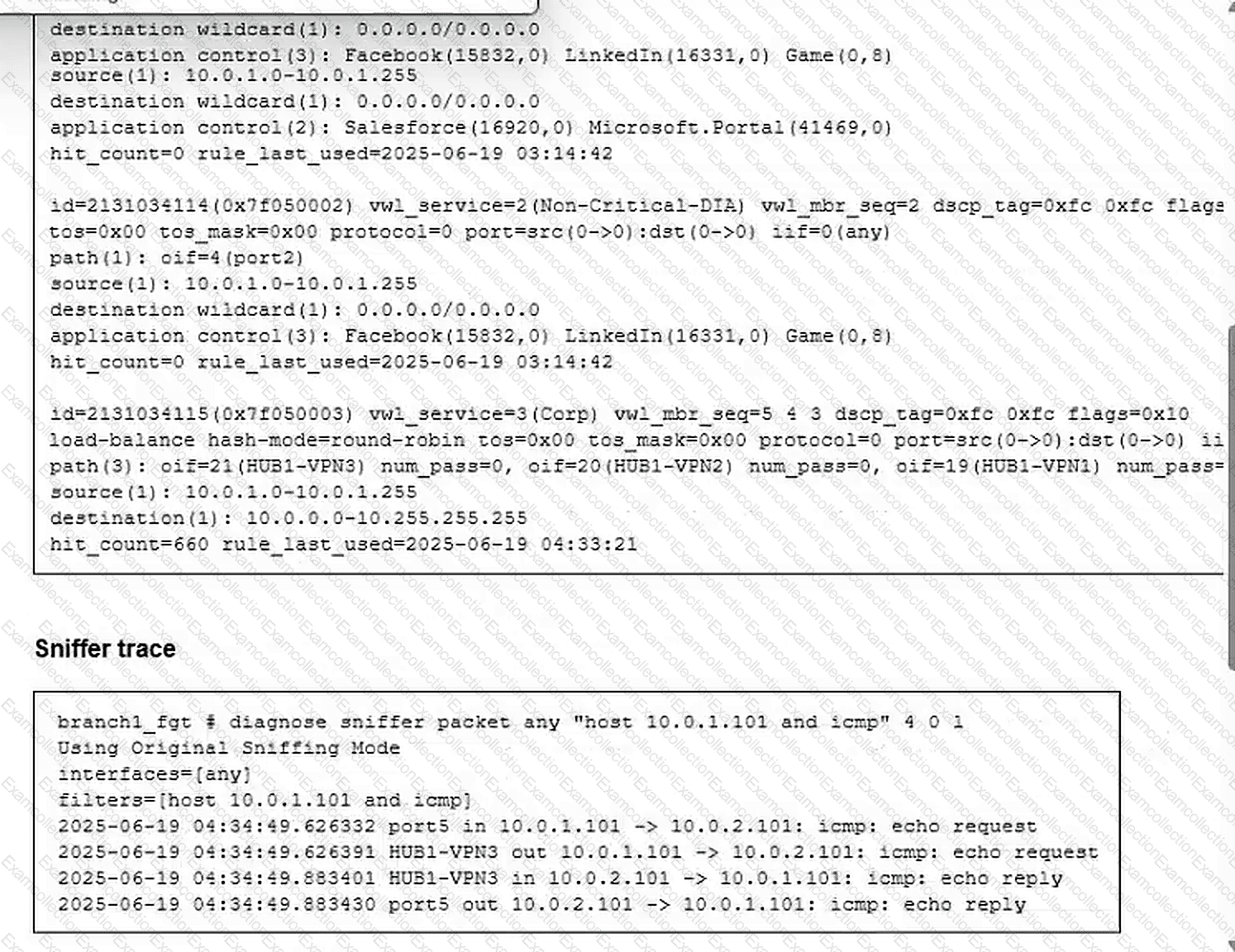
Exhibit 2 — SD-WAN route selection and packet sniffer
Refer to the exhibit. Which statement best describe the role of the ADVPN device in handling traffic?
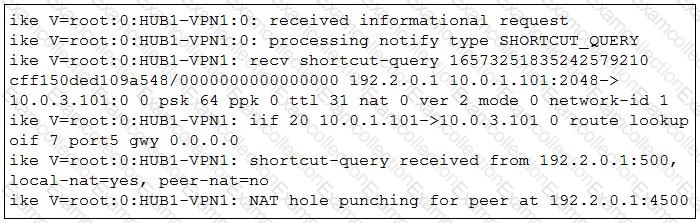
Exhibit 1
Refer to the exhibits. You use FortiManager to manage the branch devices and configure the SD-WAN template. You have configured direct internet access (DIA) for the IT department users. Now. you must configure secure internet access (SIA) for all local LAN users and have set the firewall policies as shown in the second exhibit. Then, when you use the install wizard to install the configuration and the policy package on the branch devices, FortiManager reports an error as shown in the third exhibit. Which statement describes why FortiManager could not install the configuration on the branches?
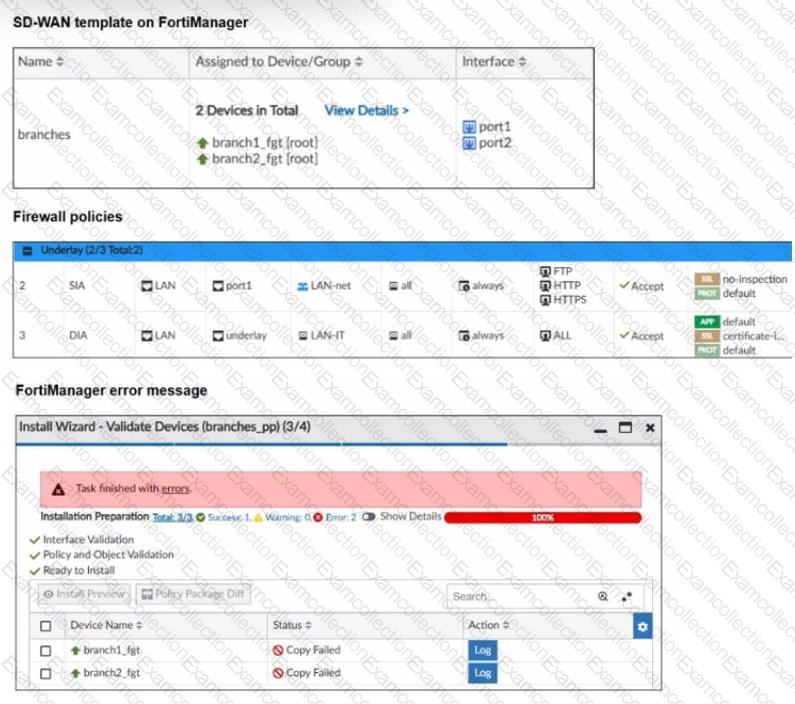
Exhibit 1
Refer to the exhibit, which shows the SD-WAN rule status and configuration. Based on the exhibit, which change in the measured packet loss will make HUB1-VPN3 the new preferred member?
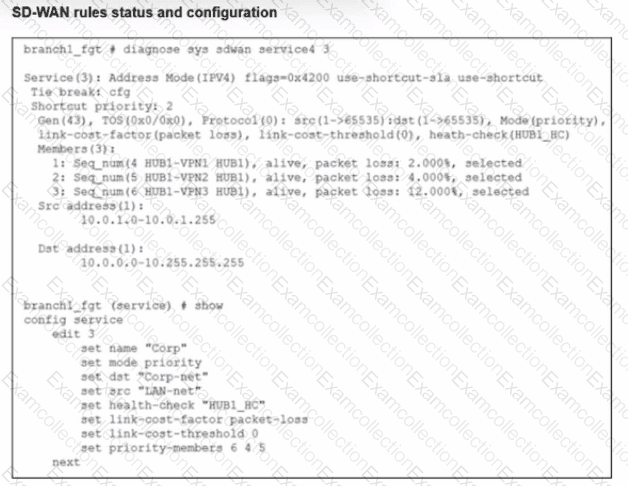
Exhibit 1
You used the HUB IPsec_Recommended and the BRANCH IPsec_Recommended templates to define the overlay topology. Then, you used the SD-WAN template to define the SD-WAN members, rules, and performance SLAs. You applied the changes to the devices and want to use the FortiManager monitors menu to get a graphical view that shows the status of each SD-WAN member. Which statement best explains how to obtain this graphical view?
An organization is integrating a cloud-delivered security operations capability with its secure access service edge (SASE) architecture to enhance threat detection, investigation, and response across a distributed environment of users and endpoints. The security team is particularly focused on improving real-time threat monitoring and gaining unified visibility into security events across the infrastructure.
Which two benefits are achieved by integrating SOC-as-a-Service (SOCaaS) with FortiSASE? (Choose two.)
Refer to the exhibit that shows an SD-WAN zone configuration on the FortiManager GUI. Based on the exhibit, how will the FortiGate device behave after it receives this configuration?
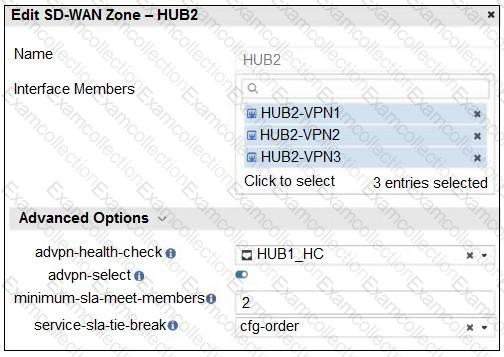
Exhibit 1
You have a FortiGate configuration with three user-defined SD-WAN zones and two members in each of these zones. One SD-WAN member is no longer in use in health checks and SD-WAN rules. You want to delete it. What happens if you delete the SD-WAN member from the FortiGate GUI?
During the implementation of endpoint-based access controls on FortiSASE, an administrator must determine how security posture tags will improve policy enforcement and performance across managed devices.
In this context, what are two advantages of using security posture tags? (Choose two.)